Inversion Table for Back Pain Relief: Benefits, Uses, Safety Tips & Buying Guide

By chandanservice9322@gmail.com

Date:

[post_views]

Inversion Table for Back Pain Relief: Benefits, Uses, Safety Tips & Buying Guide Back pain is a common problem for people who spend long hours sitting, standing, exercising, or performing physically demanding work. Poor posture, prolonged sitting, muscle tension, and everyday physical strain can all contribute to back discomfort. An **inversion table for back pain relief** is designed to use controlled body positioning and gravity to create a gentle stretching effect. This type of exercise, often called inversion therapy, may help some people temporarily reduce back discomfort and muscle tension. However, an inversion table is not a guaranteed cure for every type of back pain. It is important to use the equipment correctly and consult a healthcare professional if you have an existing medical condition or persistent pain. ## What Is an Inversion Table? An inversion table is a fitness and wellness device that allows you to lie on a padded platform and gradually tilt your body backward. Your feet are secured while the table rotates to different angles. The purpose is to reduce the compressive feeling that can develop in the spine during normal daily activities. By changing your body position, an inversion table can provide a gentle stretching sensation across the back. Unlike equipment that requires a person to hang completely upside down, many modern inversion tables allow users to choose a comfortable angle and gradually become accustomed to the movement. ## How Does an Inversion Table Work? An inversion table works by changing the position of your body relative to gravity. When the table tilts backward, your body weight creates a gentle traction-like effect. This may: * Reduce the sensation of pressure in the lower back * Stretch tight muscles * Encourage temporary relaxation * Improve the feeling of flexibility * Provide a break from prolonged sitting or standing The amount of inversion should be increased gradually. Beginners generally should not start with a steep angle. ## Potential Benefits of an Inversion Table ### 1. May Help Reduce Back Discomfort One of the main reasons people try inversion tables is to manage occasional lower-back discomfort. Gentle stretching may help some individuals feel less stiff after prolonged sitting or physical activity. Results can vary considerably from person to person, so an inversion table should be viewed as a potential comfort and stretching tool rather than a guaranteed treatment. ### 2. Gentle Spinal Stretching Daily activities place normal loads on the spine. Sitting for extended periods can also contribute to stiffness and discomfort. Controlled inversion provides a different body position that may create a gentle stretching sensation through the back. ### 3. May Help Relax Tight Muscles An inversion session can be combined with other gentle stretching exercises. The relaxed position may help reduce the feeling of tightness in the lower back and surrounding muscles. For people who spend much of the day at a desk, short and controlled stretching sessions can be a useful addition to a broader movement routine. ### 4. Adjustable Angles for Beginners A major advantage of modern inversion tables is their adjustable design. Instead of immediately going fully inverted, users can begin with a small angle. Once they become comfortable, they can gradually experiment with a deeper angle if appropriate. This makes adjustable inversion equipment more approachable for beginners. ### 5. Home-Based Exercise and Stretching An inversion table can be used at home without requiring complicated equipment. It can become part of a personal stretching or fitness routine when used appropriately. Regular movement, strengthening exercises, healthy posture habits, and flexibility work should still remain important parts of an overall back-care routine. ## Ergonomic Design and Comfort Comfort is particularly important when using an inversion table. A padded backrest, secure ankle supports, and an appropriately sized frame can make the experience more comfortable. Some models feature ergonomic contours intended to support areas such as the lumbar region and pelvis. When choosing an inversion table, look for: * Comfortable padding * Secure ankle holders * Adjustable height settings * Stable construction * Easy-to-use locking mechanisms * Adjustable inversion angles * Appropriate weight capacity * Reliable safety features ## Heavy-Duty Frame and Weight Capacity The frame is one of the most important parts of an inversion table because it supports the user's body throughout the movement. A strong steel frame can provide stability during rotation. However, buyers should always check the manufacturer's stated **maximum user weight** rather than assuming that every heavy-duty model has the same capacity. Do not exceed the manufacturer's recommended weight limit. ## How to Use an Inversion Table Safely If you are new to inversion therapy, start slowly. ### Step 1: Check the Equipment Before every session, inspect the table, ankle restraints, locking mechanism, and frame. Make sure everything is properly secured. ### Step 2: Adjust the Height Set the equipment according to the manufacturer's instructions and your body height. ### Step 3: Secure Your Feet Place your feet correctly into the ankle support system. Make sure they are securely held before tilting the table. ### Step 4: Start at a Small Angle Beginners should start with a mild angle rather than attempting a full inversion immediately. ### Step 5: Move Slowly Use controlled movements when changing the angle. Avoid sudden or jerky rotations. ### Step 6: Stop If You Feel Unwell Stop the session if you experience significant pain, dizziness, nausea, shortness of breath, or other concerning symptoms. ## How Long Should You Stay on an Inversion Table? There is no single session length that works for everyone. If you are a beginner, start with a short session at a mild angle and see how your body responds. Avoid assuming that longer sessions or steeper angles will automatically provide greater benefits. Following the manufacturer's instructions is important, and people with medical conditions should ask a qualified healthcare professional whether inversion is appropriate for them. ## Is an Inversion Table Safe for Everyone? No. Inversion therapy may not be appropriate for everyone. People with certain cardiovascular conditions, uncontrolled blood pressure, eye conditions such as glaucoma, pregnancy, or other medical concerns should seek medical advice before using an inversion table. Anyone experiencing severe, persistent, or unexplained back pain should also seek professional medical evaluation rather than relying solely on an inversion table. ## Can Seniors Use an Inversion Table? Some seniors may be able to use an inversion table, but age alone does not determine whether inversion is appropriate. Balance, mobility, cardiovascular health, blood pressure, medications, and existing medical conditions should all be considered. If you are an older adult or have concerns about your health, speak with a healthcare professional before beginning inversion therapy. ## Can an Inversion Table Cure Back Pain? An inversion table should **not be considered a cure for back pain**. Back pain can have many different causes, including muscle strain, joint problems, disc-related conditions, injuries, and other medical issues. A technique that helps one person may not be appropriate for another. For long-term back health, consider combining appropriate physical activity, strength training, flexibility exercises, good posture, and professional guidance when needed. ## Inversion Table vs. Traditional Back Stretching An inversion table provides a specific body position that uses gravity to create a stretching sensation. Traditional stretching, on the other hand, can often be performed without specialized equipment. An inversion table may be appealing to people who enjoy structured home equipment, while simple stretching and mobility exercises can be easier and more accessible. The best option depends on your individual needs, comfort level, and health situation. ## What to Look for When Buying an Inversion Table If you're considering buying an inversion table for home use, pay attention to the following features: ### Adjustable Inversion Angles Look for a model that allows you to control the inversion angle. Adjustable settings are especially useful for beginners. ### Strong and Stable Frame Choose equipment with a stable frame and a clearly stated weight capacity. ### Comfortable Backrest Good padding can make longer stretching sessions more comfortable. ### Secure Ankle System The ankle support should hold your feet securely while allowing you to release yourself easily according to the manufacturer's instructions. ### Height Adjustment A height-adjustable design can make the equipment suitable for different users. ### Safety Locking System A reliable locking and adjustment system can help provide greater control during use. ## Tips for Getting the Most From Your Inversion Table For a more comfortable experience: * Start with a gentle angle. * Follow the manufacturer's instructions. * Use controlled movements. * Avoid immediately attempting full inversion. * Keep sessions short when you're beginning. * Stop if you feel dizzy or unwell. * Combine stretching with regular physical activity. * Maintain good posture during everyday activities. * Consult a healthcare professional if your back pain continues or worsens. ## Frequently Asked Questions ### What is an inversion table used for? An inversion table is primarily used for controlled stretching and inversion exercises. Some people use it to temporarily reduce the feeling of back stiffness or discomfort. ### Does an inversion table help lower back pain? It may provide temporary relief for some people, particularly by creating a stretching sensation and helping muscles relax. However, effectiveness varies, and it does not treat every cause of lower back pain. ### How long should beginners use an inversion table? Beginners should start with short sessions and a mild angle. Gradually increase the duration or angle only if comfortable and appropriate. Follow the manufacturer's recommendations. ### Can you use an inversion table every day? Some people incorporate inversion into their regular routines, but daily use is not appropriate for everyone. If you have a medical condition, ask a healthcare professional before using an inversion table regularly. ### Is it safe to go completely upside down? Full inversion is not necessary for everyone and can increase the intensity of the experience. Beginners should use a mild angle and follow the equipment manufacturer's safety instructions. ### Can an inversion table fix a slipped disc? An inversion table should not be promoted as a cure for a slipped or herniated disc. Anyone with a diagnosed spinal condition should discuss inversion therapy with a qualified healthcare professional before trying it. ### Can seniors use inversion tables? Some seniors may be able to use them safely, but individual health and mobility should be considered. Medical advice is recommended when there are existing health concerns. ### What should I do if inversion makes my pain worse? Stop using the table and seek appropriate medical advice, especially if the pain is severe, persistent, or accompanied by other concerning symptoms. ## Final Thoughts An **inversion table for back pain relief** can be a useful home stretching and wellness tool for some people. Its adjustable design allows users to control the angle and gradually become comfortable with inversion. Potential benefits include gentle stretching, temporary relief from stiffness, muscle relaxation, and an alternative way to incorporate movement into a home routine. However, an inversion table is **not a universal treatment or cure for back pain**. Safe use, gradual progression, proper equipment adjustment, and professional medical advice when necessary are all important. If you are considering an inversion table, choose a stable model with adjustable angles, secure ankle supports, comfortable padding, and a clearly stated weight capacity. --- ### SEO Details for Your Blog **SEO Title:** Inversion Table for Back Pain Relief: Benefits, Uses & Safety Tips **Meta Description:** Discover how an inversion table may help with back discomfort, spinal stretching and muscle relaxation. Learn benefits, safety tips, usage guidelines and buying advice. **Focus Keyword:** `inversion table for back pain relief` **Secondary Keywords:** * inversion table for back pain * benefits of inversion table * spinal decompression at home * inversion therapy * back stretching equipment * inversion table benefits * how to use an inversion table * inversion table safety * home back pain relief **Suggested URL Slug:** `inversion-table-for-back-pain-relief` **Suggested Image Alt Text:** `Inversion table for back pain relief and gentle spinal stretching` **Suggested Image File Name:** `inversion-table-for-back-pain-relief.jpg` **Suggested Image Title:** `Inversion Table for Back Pain Relief` **Blog Category:** Health & Fitness **Suggested Tags:** `Inversion Table, Back Pain Relief, Health & Fitness, Fitness Gadgets, Spinal Stretching, Wellness, Home Fitness` **Important:** For a health-related article, avoid phrases such as “guaranteed cure,” “permanent pain relief,” or “100% safe.” The revised version above uses more cautious wording so the article is more suitable for a health-information blog.

Back pain is a common problem for people who spend long hours sitting, standing, exercising, or performing physically demanding work. Poor posture, prolonged sitting, muscle tension, and everyday physical strain can all contribute to back discomfort.

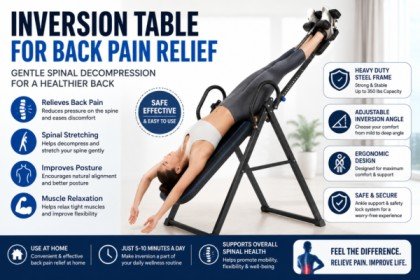
An inversion table for back pain relief is designed to use controlled body positioning and gravity to create a gentle stretching effect. This type of exercise, often called inversion therapy, may help some people temporarily reduce back discomfort and muscle tension.

However, an inversion table is not a guaranteed cure for every type of back pain. It is important to use the equipment correctly and consult a healthcare professional if you have an existing medical condition or persistent pain.

What Is an Inversion Table?

An inversion table is a fitness and wellness device that allows you to lie on a padded platform and gradually tilt your body backward. Your feet are secured while the table rotates to different angles.

The purpose is to reduce the compressive feeling that can develop in the spine during normal daily activities. By changing your body position, an inversion table can provide a gentle stretching sensation across the back.

Unlike equipment that requires a person to hang completely upside down, many modern inversion tables allow users to choose a comfortable angle and gradually become accustomed to the movement.

How Does an Inversion Table Work?

An inversion table works by changing the position of your body relative to gravity. When the table tilts backward, your body weight creates a gentle traction-like effect.

This may:

  • Reduce the sensation of pressure in the lower back
  • Stretch tight muscles
  • Encourage temporary relaxation
  • Improve the feeling of flexibility
  • Provide a break from prolonged sitting or standing

The amount of inversion should be increased gradually. Beginners generally should not start with a steep angle.

Potential Benefits of an Inversion Table

1. May Help Reduce Back Discomfort

One of the main reasons people try inversion tables is to manage occasional lower-back discomfort. Gentle stretching may help some individuals feel less stiff after prolonged sitting or physical activity.

Results can vary considerably from person to person, so an inversion table should be viewed as a potential comfort and stretching tool rather than a guaranteed treatment.

2. Gentle Spinal Stretching

Daily activities place normal loads on the spine. Sitting for extended periods can also contribute to stiffness and discomfort.

Controlled inversion provides a different body position that may create a gentle stretching sensation through the back.

3. May Help Relax Tight Muscles

An inversion session can be combined with other gentle stretching exercises. The relaxed position may help reduce the feeling of tightness in the lower back and surrounding muscles.

For people who spend much of the day at a desk, short and controlled stretching sessions can be a useful addition to a broader movement routine.

4. Adjustable Angles for Beginners

A major advantage of modern inversion tables is their adjustable design.

Instead of immediately going fully inverted, users can begin with a small angle. Once they become comfortable, they can gradually experiment with a deeper angle if appropriate.

This makes adjustable inversion equipment more approachable for beginners.

5. Home-Based Exercise and Stretching

An inversion table can be used at home without requiring complicated equipment. It can become part of a personal stretching or fitness routine when used appropriately.

Regular movement, strengthening exercises, healthy posture habits, and flexibility work should still remain important parts of an overall back-care routine.

Ergonomic Design and Comfort

Comfort is particularly important when using an inversion table. A padded backrest, secure ankle supports, and an appropriately sized frame can make the experience more comfortable.

Some models feature ergonomic contours intended to support areas such as the lumbar region and pelvis.

When choosing an inversion table, look for:

  • Comfortable padding
  • Secure ankle holders
  • Adjustable height settings
  • Stable construction
  • Easy-to-use locking mechanisms
  • Adjustable inversion angles
  • Appropriate weight capacity
  • Reliable safety features

Heavy-Duty Frame and Weight Capacity

The frame is one of the most important parts of an inversion table because it supports the user’s body throughout the movement.

A strong steel frame can provide stability during rotation. However, buyers should always check the manufacturer’s stated maximum user weight rather than assuming that every heavy-duty model has the same capacity.

Do not exceed the manufacturer’s recommended weight limit.

How to Use an Inversion Table Safely

If you are new to inversion therapy, start slowly.

Step 1: Check the Equipment

Before every session, inspect the table, ankle restraints, locking mechanism, and frame. Make sure everything is properly secured.

Step 2: Adjust the Height

Set the equipment according to the manufacturer’s instructions and your body height.

Step 3: Secure Your Feet

Place your feet correctly into the ankle support system. Make sure they are securely held before tilting the table.

Step 4: Start at a Small Angle

Beginners should start with a mild angle rather than attempting a full inversion immediately.

Step 5: Move Slowly

Use controlled movements when changing the angle. Avoid sudden or jerky rotations.

Step 6: Stop If You Feel Unwell

Stop the session if you experience significant pain, dizziness, nausea, shortness of breath, or other concerning symptoms.

How Long Should You Stay on an Inversion Table?

There is no single session length that works for everyone.

If you are a beginner, start with a short session at a mild angle and see how your body responds. Avoid assuming that longer sessions or steeper angles will automatically provide greater benefits.

Following the manufacturer’s instructions is important, and people with medical conditions should ask a qualified healthcare professional whether inversion is appropriate for them.

Is an Inversion Table Safe for Everyone?

No. Inversion therapy may not be appropriate for everyone.

People with certain cardiovascular conditions, uncontrolled blood pressure, eye conditions such as glaucoma, pregnancy, or other medical concerns should seek medical advice before using an inversion table.

Anyone experiencing severe, persistent, or unexplained back pain should also seek professional medical evaluation rather than relying solely on an inversion table.

Can Seniors Use an Inversion Table?

Some seniors may be able to use an inversion table, but age alone does not determine whether inversion is appropriate.

Balance, mobility, cardiovascular health, blood pressure, medications, and existing medical conditions should all be considered.

If you are an older adult or have concerns about your health, speak with a healthcare professional before beginning inversion therapy.

Can an Inversion Table Cure Back Pain?

An inversion table should not be considered a cure for back pain.

Back pain can have many different causes, including muscle strain, joint problems, disc-related conditions, injuries, and other medical issues. A technique that helps one person may not be appropriate for another.

For long-term back health, consider combining appropriate physical activity, strength training, flexibility exercises, good posture, and professional guidance when needed.

Inversion Table vs. Traditional Back Stretching

An inversion table provides a specific body position that uses gravity to create a stretching sensation. Traditional stretching, on the other hand, can often be performed without specialized equipment.

An inversion table may be appealing to people who enjoy structured home equipment, while simple stretching and mobility exercises can be easier and more accessible.

The best option depends on your individual needs, comfort level, and health situation.

What to Look for When Buying an Inversion Table

If you’re considering buying an inversion table for home use, pay attention to the following features:

Adjustable Inversion Angles

Look for a model that allows you to control the inversion angle. Adjustable settings are especially useful for beginners.

Strong and Stable Frame

Choose equipment with a stable frame and a clearly stated weight capacity.

Comfortable Backrest

Good padding can make longer stretching sessions more comfortable.

Secure Ankle System

The ankle support should hold your feet securely while allowing you to release yourself easily according to the manufacturer’s instructions.

Height Adjustment

A height-adjustable design can make the equipment suitable for different users.

Safety Locking System

A reliable locking and adjustment system can help provide greater control during use.

Tips for Getting the Most From Your Inversion Table

For a more comfortable experience:

  • Start with a gentle angle.
  • Follow the manufacturer’s instructions.
  • Use controlled movements.
  • Avoid immediately attempting full inversion.
  • Keep sessions short when you’re beginning.
  • Stop if you feel dizzy or unwell.
  • Combine stretching with regular physical activity.
  • Maintain good posture during everyday activities.
  • Consult a healthcare professional if your back pain continues or worsens.

Frequently Asked Questions

What is an inversion table used for?

An inversion table is primarily used for controlled stretching and inversion exercises. Some people use it to temporarily reduce the feeling of back stiffness or discomfort.

Does an inversion table help lower back pain?

It may provide temporary relief for some people, particularly by creating a stretching sensation and helping muscles relax. However, effectiveness varies, and it does not treat every cause of lower back pain.

How long should beginners use an inversion table?

Beginners should start with short sessions and a mild angle. Gradually increase the duration or angle only if comfortable and appropriate. Follow the manufacturer’s recommendations.

Can you use an inversion table every day?

Some people incorporate inversion into their regular routines, but daily use is not appropriate for everyone. If you have a medical condition, ask a healthcare professional before using an inversion table regularly.

Is it safe to go completely upside down?

Full inversion is not necessary for everyone and can increase the intensity of the experience. Beginners should use a mild angle and follow the equipment manufacturer’s safety instructions.

Can an inversion table fix a slipped disc?

An inversion table should not be promoted as a cure for a slipped or herniated disc. Anyone with a diagnosed spinal condition should discuss inversion therapy with a qualified healthcare professional before trying it.

Can seniors use inversion tables?

Some seniors may be able to use them safely, but individual health and mobility should be considered. Medical advice is recommended when there are existing health concerns.

What should I do if inversion makes my pain worse?

Stop using the table and seek appropriate medical advice, especially if the pain is severe, persistent, or accompanied by other concerning symptoms.

Final Thoughts

An inversion table for back pain relief can be a useful home stretching and wellness tool for some people. Its adjustable design allows users to control the angle and gradually become comfortable with inversion.

Potential benefits include gentle stretching, temporary relief from stiffness, muscle relaxation, and an alternative way to incorporate movement into a home routine.

However, an inversion table is not a universal treatment or cure for back pain. Safe use, gradual progression, proper equipment adjustment, and professional medical advice when necessary are all important.

If you are considering an inversion table, choose a stable model with adjustable angles, secure ankle supports, comfortable padding, and a clearly stated weight capacity.


SEO Details for Your Blog

SEO Title:
Inversion Table for Back Pain Relief: Benefits, Uses & Safety Tips

Meta Description:
Discover how an inversion table may help with back discomfort, spinal stretching and muscle relaxation. Learn benefits, safety tips, usage guidelines and buying advice.

Focus Keyword:
inversion table for back pain relief

Secondary Keywords:

  • inversion table for back pain
  • benefits of inversion table
  • spinal decompression at home
  • inversion therapy
  • back stretching equipment
  • inversion table benefits
  • how to use an inversion table
  • inversion table safety
  • home back pain relief

Suggested URL Slug:
inversion-table-for-back-pain-relief

Suggested Image Alt Text:
Inversion table for back pain relief and gentle spinal stretching

Suggested Image File Name:
inversion-table-for-back-pain-relief.jpg

Suggested Image Title:
Inversion Table for Back Pain Relief

Blog Category:
Health & Fitness

Suggested Tags:
Inversion Table, Back Pain Relief, Health & Fitness, Fitness Gadgets, Spinal Stretching, Wellness, Home Fitness

Important: For a health-related article, avoid phrases such as “guaranteed cure,” “permanent pain relief,” or “100% safe.” The revised version above uses more cautious wording so the article is more suitable for a health-information blog.
Leave a Comment